Skip to content

Vehicles and Equipment Testing in Various Conditions

Validate design assumptions, meet industry standards, and demonstrate performance to customers and regulatory bodies. Investment in testing reduces risk, protects brand reputation, and helps bring safer, more reliable, and more competitive products to market.

The future isn't something we wait for. It's something we engineer.
WORK WITH US

Where great ideas prove themselves.

Mechanical testing provides businesses with the confidence that their products, components, and systems will perform safely and reliably in real-world conditions. By evaluating strength, durability, fatigue life, vibration resistance, and overall performance, manufacturers can identify potential weaknesses before products reach customers. This reduces the risk of costly failures, warranty claims, recalls, and damage to brand reputation.

Mechanical testing also helps to optimize designs, improve product quality, meet industry standards, and accelerate product development.

Make data-driven decisions, reduce risk, and deliver products that perform as intended throughout their service life.

Why Durability Testing

  • Prevents over-design and saves on unnecessary materials costs.
  • Improved product reliability reflected in increased customer satisfaction and fewer warranty claims.
  • Require less time than field testing and get products to market faster.
  • Permits testing of isolated components to measure performance without machine interference.
  • It is independent of environmental factors and precisely repeatable, allowing for direct comparison of competing designs.
  • It is an economical and convenient alternative to traditional methods.
  • Validates computer modeling and simulation.
  • All-weather testing – tests are done in the lab.
  • Components can be tested without building or shipping an entire prototype vehicle or machine.

Structural Durability and Fatigue Testing

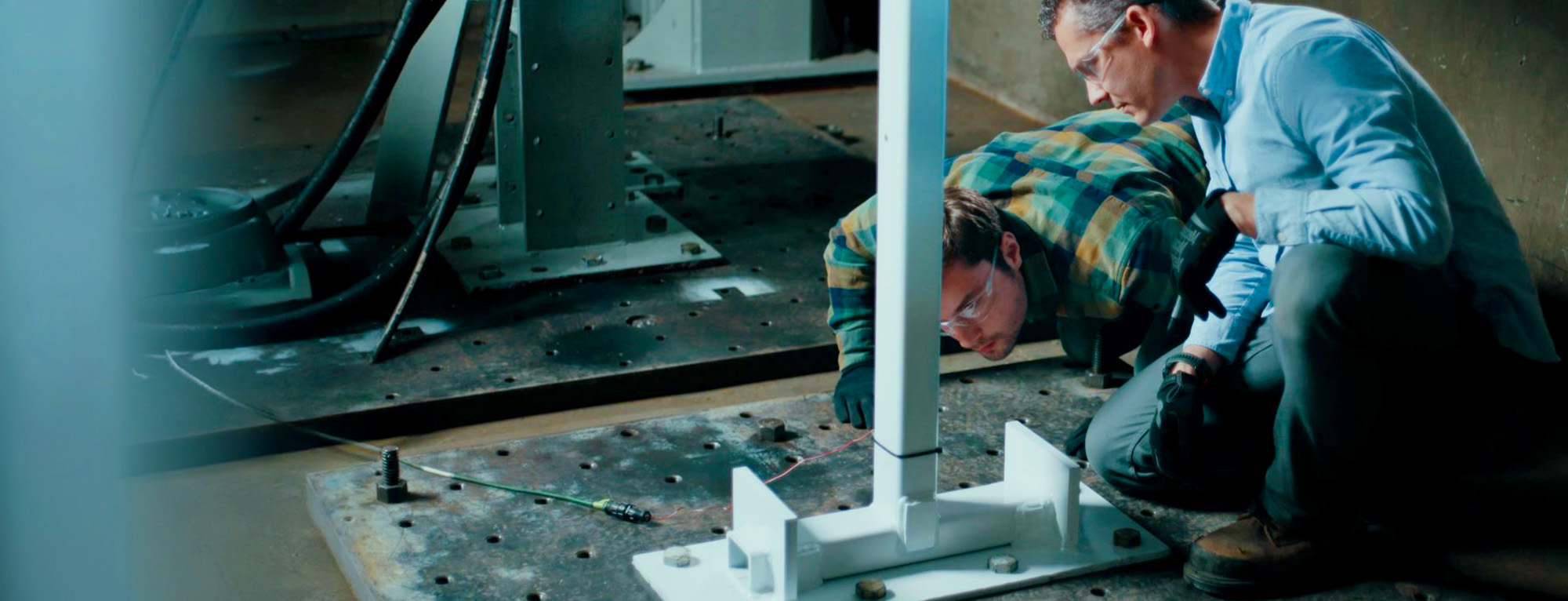
Structural durability and fatigue testing are performed by subjecting a test sample to the load conditions it will experience during its service life. This testing is typically performed early in the product development process to identify any design deficiencies prior to releasing the product for production. It is also commonly used as a qualification test for component selection or final product validation. 

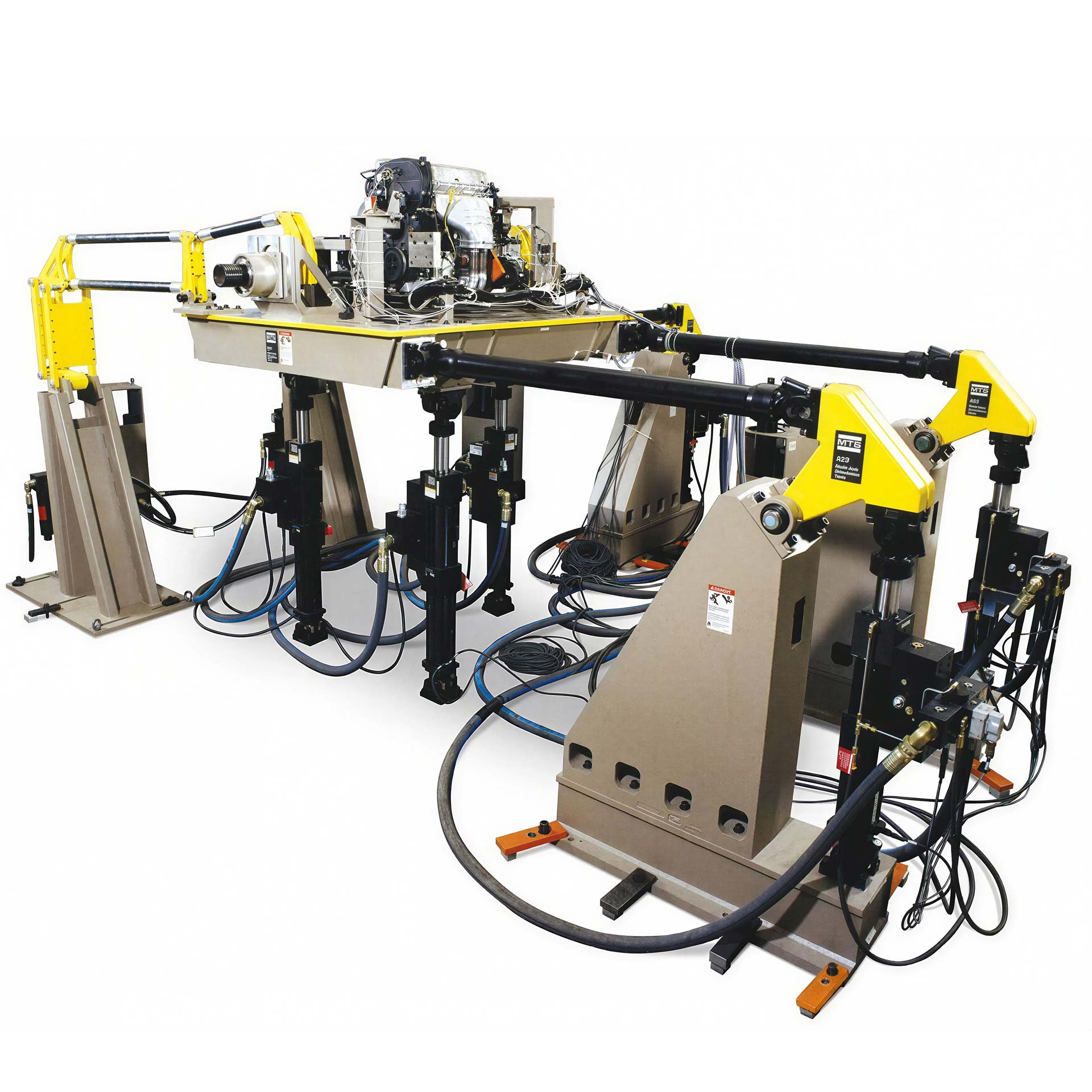
When you work with us, you gain access to an assortment of hydraulic actuators and an MTS FlexTest® controller for customized structural lab testing. With this test equipment, we have the ability to perform a broad range of test control options from simple square wave and sinusoidal inputs to full simulation of complex field data with up to four independently controlled actuators.

Vibration Testing

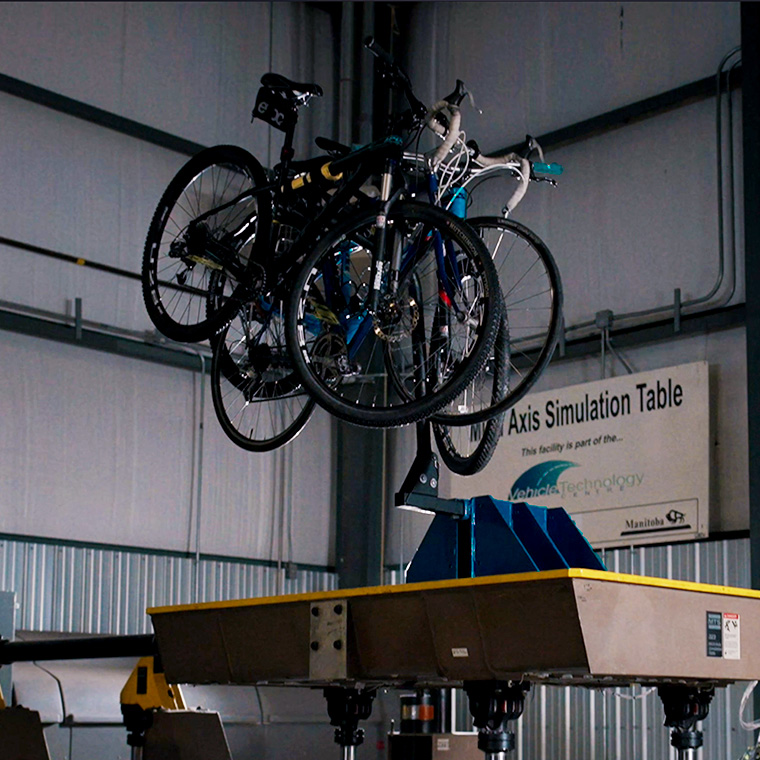
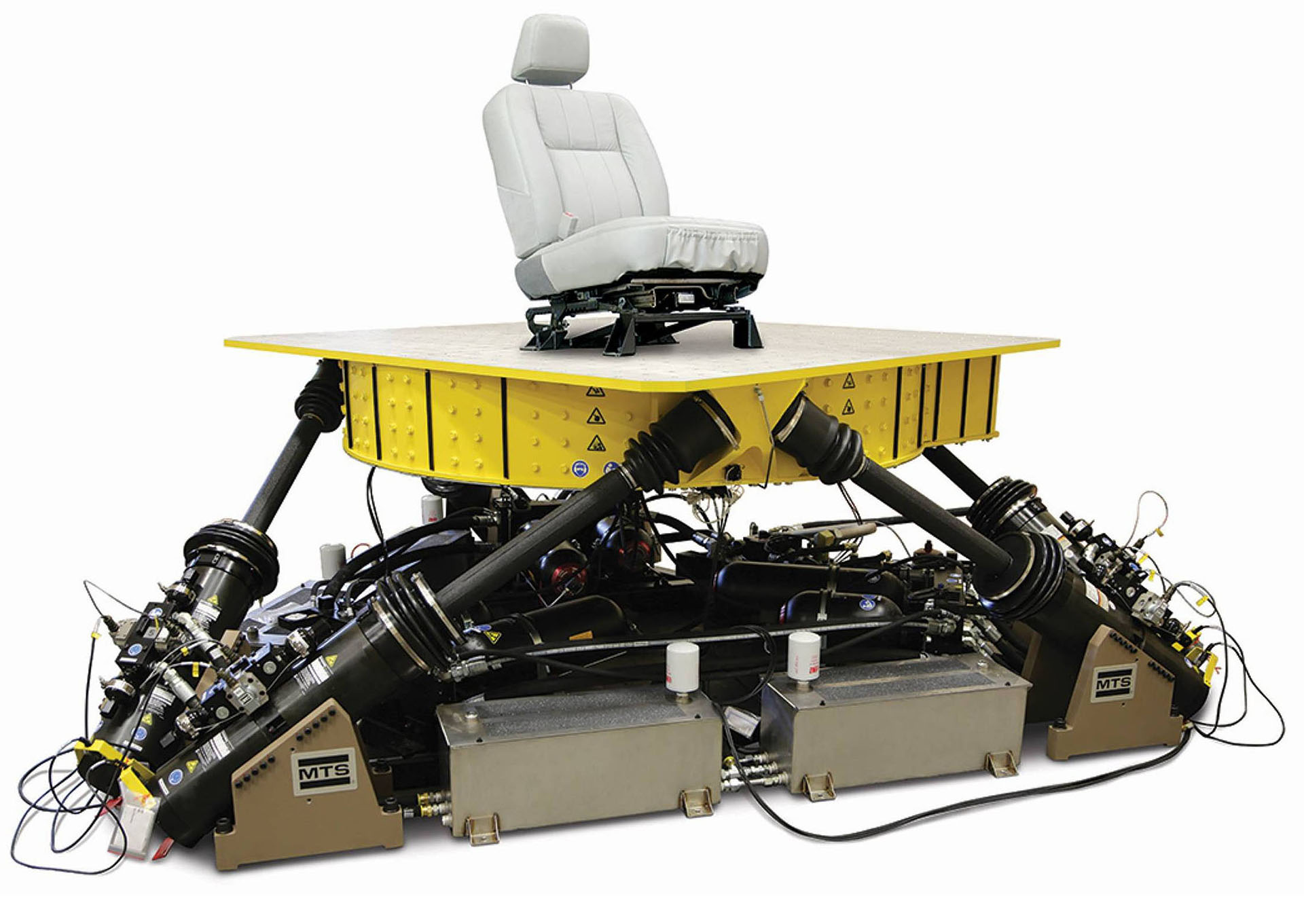
Find six degrees of freedom motion to produce a number of tests, including sinusoidal, random, and field simulation tests. Our multi-axial simulation table (MAST) system, vertical vibration table, horizontal vibration table, and electrodynamic shaker table are ideally suited for testing ground-based vehicle or machine components to evaluate how they will respond to vibration anticipated during operation, or transit, and to verify how the product is expected to survive through its entire service life. In most cases, vibration testing is done by following test procedures defined by technical standards or through a customized client-specific test procedure.

We offer a wide range of MAST Applications:

  • Power Train Mounts
  • HVAC Systems
  • Electrical Systems
  • Instrument Panels
  • Headlamp Assemblies
  • Tractor Fenders
  • Exhaust Systems
  • Fuel Tanks
  • Seats
  • Battery Boxes
  • Radiator Packages
  • Cabs
  • Body Components
  • Packaging

Rear Impact Guard Testing and Certification

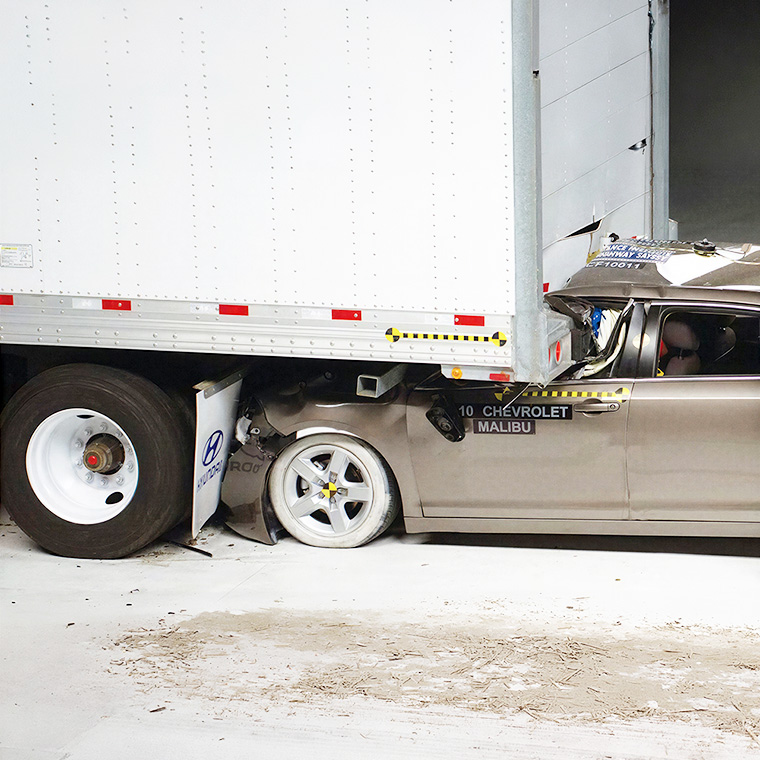
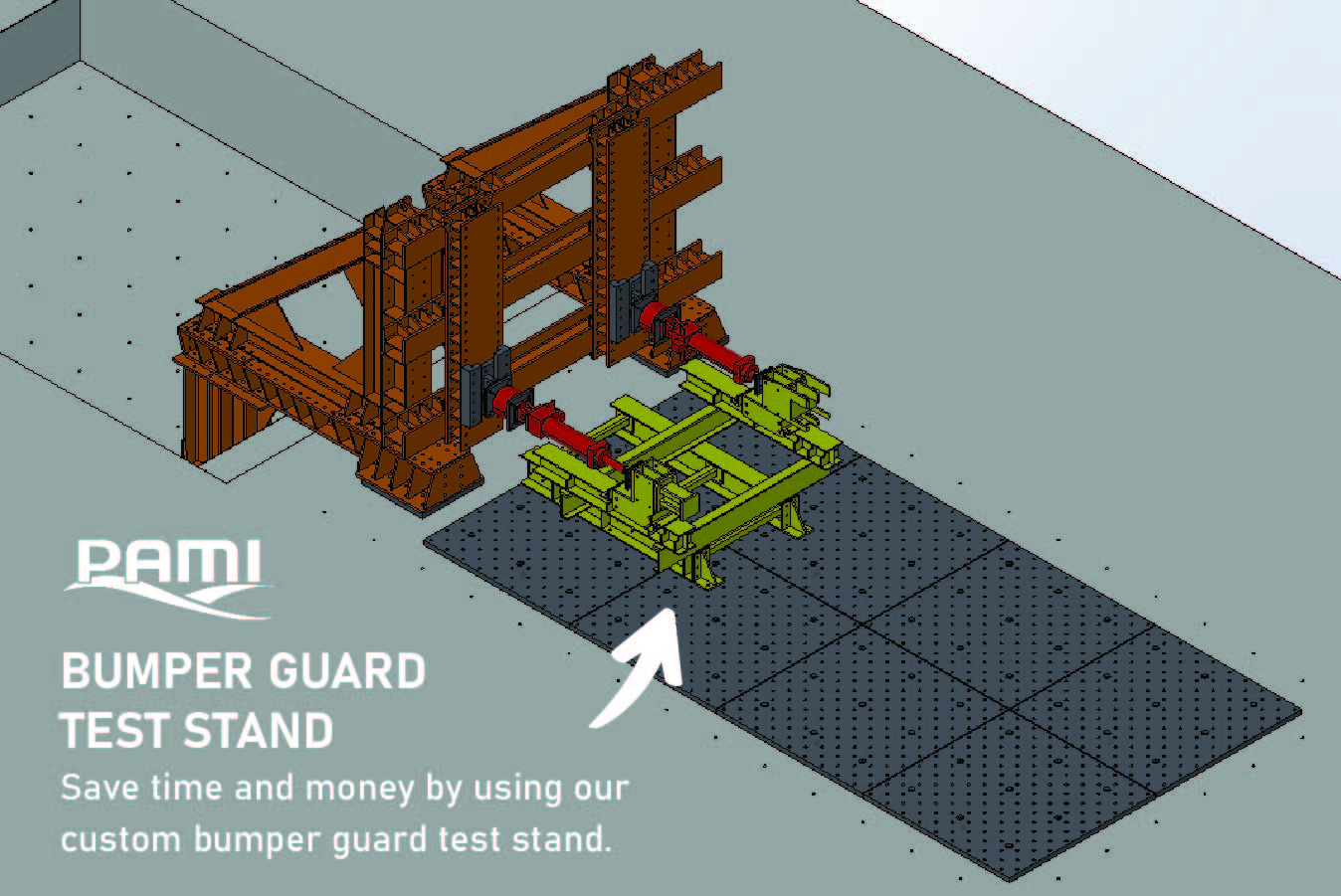
PAMI supports transportation manufacturers across Canada with certification to CMVSS 223 and many other standards required for on-road vehicles. Our proven test set-ups and analysis methodologies marry with computer modeling and analysis to save time and cost in developing prototypes. We provide design insights based on decades of engineering experience to improve guard performance. Upon completion of requirements, you will receive a certified professional engineering stamped report.

Alternative Fuel and Vehicle Performance

Alternatives or modifications to petroleum-based fuels, such as biodiesel, ethanol, or electric has created a need to evaluate the performance of the fuels or batteries and vehicles using them. We understands the need for rigorous testing and have the facilities and equipment to help. Whether on the road or in the lab, we have high-horsepower dynamometers and the instrumentation required to put vehicles through their paces to effectively explore and map their performance.

Brake Performance Testing

Reduce wear and maintenance costs by identifying component concerns, limitations, and failure potential before they become realities. This testing is required to meet Canadian Motor Vehicle Safety Standards like CMVSS 105 – Hydraulic Electric Brake Systems. This standard specifies requirements for hydraulic and electric service brake systems, and associated parking brake systems. The purpose of this standard is to ensure safe braking performance under normal and emergency conditions.

Combine Loss Evaluation

The PAMI Combine Loss Evaluation System is most commonly used for combine capacity testing – measuring grain loss versus combine feed rate. Measuring four components of loss, the Combine Loss Evaluation System has the capability to weigh the collected material (other than grain) for each sample collected. This testing method provides highly accurate data for comparisons of whole combines, sub-systems, and individual components.

Extreme Temperature Testing

The Arctic Test Centre runs from -40 degrees to +40 degrees. Perform various functional and safety tests like cold starts, defogging, ROPS, or load handling in a controlled environment to ensure durability of components. This Arctic Test Centre makes it possible to simulate extreme weather conditions and the effects on components or vehicles and equipment structures. Tests are set up to meet the strict requirements of a wide range of testing organizations.

Custom Test Stand Development

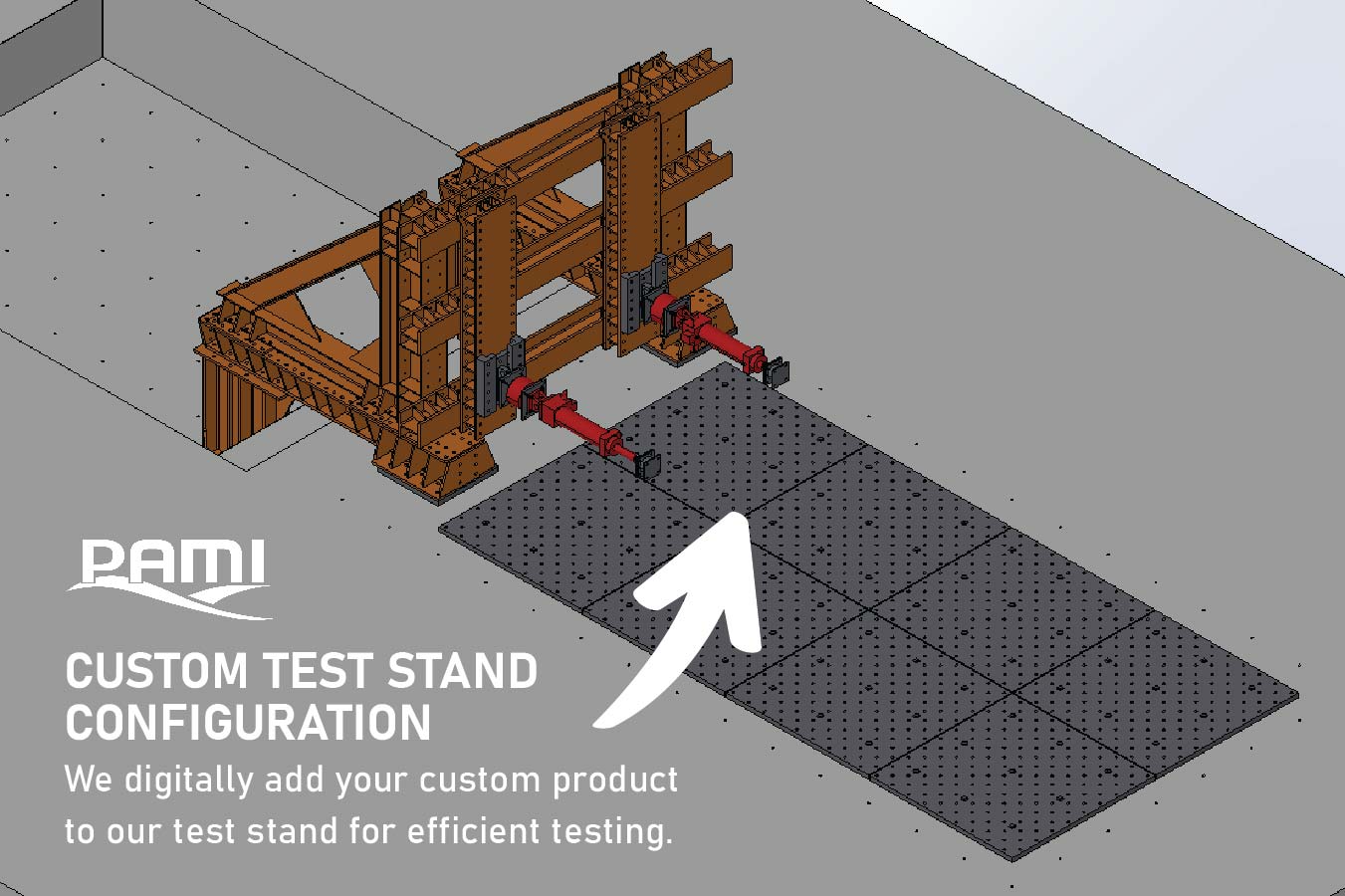
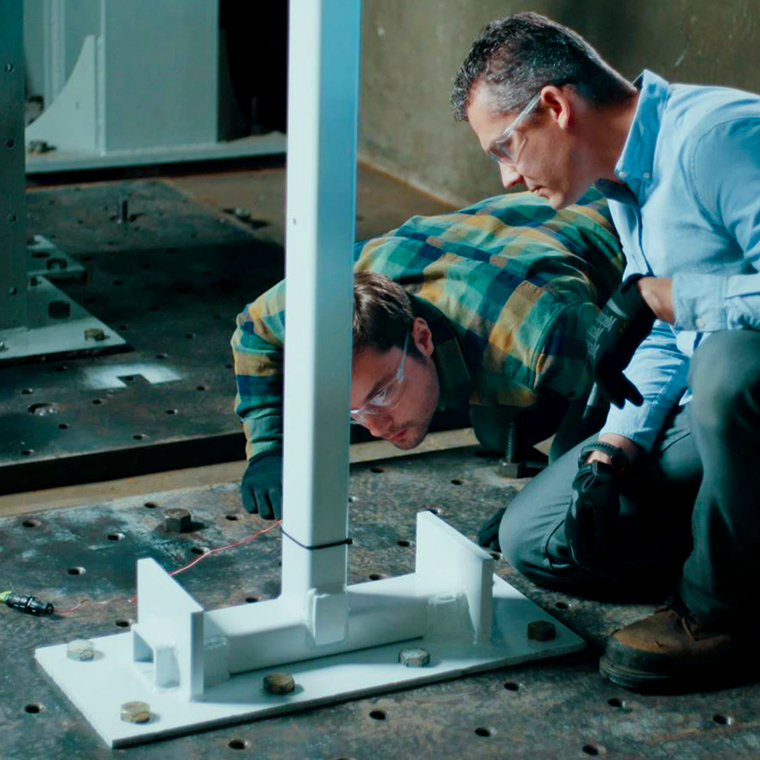
We believe in supporting innovation. We work directly with you to develop, design, and build custom test stands needed to support unique configurations of custom hydraulic cylinders, power train components, and other mechanical systems. It is our goal to work directly with our clients one-on-one to advance the industry.
We have .STEP files that we are happy to share with you.

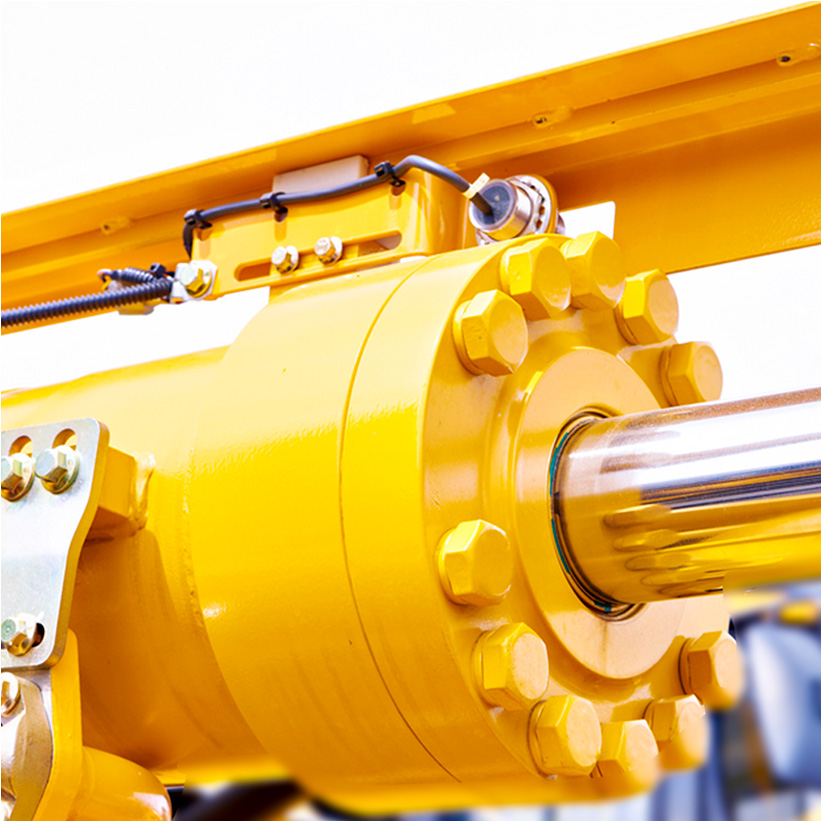
Hydraulic Cylinder Performance

PAMI’s hydraulic cylinder testing capabilities include:

  • Cylinder Friction Test as per SAE J1334
  • Cycle Test Procedure as per SAE J1334 
  • Impulse Endurance Test as per SAE J1334
  • Drift Rate Test (Piston Seal Leakage) per SAE J1336
  • Proof Pressure Test (apply 200% rated pressure with piston mid-stroke) 

The hydraulic cylinder test system can be configured for testing single-acting and double-acting hydraulic cylinders.

  • PAMI’s hydraulic cylinder test equipment is powered by a hydraulic power unit (HPU) capable of 20 GPM at 3000 psi, sized for testing hydraulic cylinders with rated (working) pressures of 3000 psi. The HPU has an 80 Imperial Gallon fluid reservoir that can be filled with client-specified hydraulic fluid and maintained at temperatures up to 80°C.

  • The hydraulic cylinder cycle test equipment is capable of testing cylinders with inner diameters up to 4.0”. The fixture can be configured for testing 1, 2, or 3 cylinders simultaneously. When testing 1 or 2 cylinders, the test equipment can accommodate cylinders up to approximately 56.0″ mid-stroke length (or roughly 41″ retracted length). The maximum cylinder length for testing 3 cylinders simultaneously is approximately 23″ mid-stroke length (or roughly 17″ retracted length). With many different cylinder designs, it is recommended that the test cylinder specs be reviewed by PAMI engineers to verify that they fit the test setup.

  • PAMI’s impulse endurance test fixture is adjustable to accommodate a wide range of cylinders sizes. The fixture is used to rigidly secure up to three test cylinders at their mid-stroke length, as required for the test. It can accommodate hydraulic cylinders with mid-stroke lengths up to 60 inches.
    PAMI has an array of instrumentation and data acquisition equipment that is used to monitor and record various parameters throughout testing. Monitoring these parameters allows us to ensure accurate control and provide test records to the client.

Instrumentation and Data Acquisition

Capturing performance data directly in the lab or from the field for analysis is at the heart of all PAMI testing services. PAMI data acquisition equipment can capture a wide range of precise and repeatable data at high sample rates. Equally important is ensuring captured data can be effectively analyzed and interpreted with powerful data assessment programs and integrated with other PAMI systems and software.

Protective Structure Testing

Perform roll-over (ROPS) and falling object (FOPS) protective structures testing of industrial and agricultural machinery cabs in accordance with numerous regulatory standards, such as ISO, SAE, OECD, and CSA. Our test equipment is capable of applying up to 145,000 lb horizontal loads and up to 200,000 lb vertical crush loads. ROPS, FOPS, OPS and TOPS Testing is all completed at PAMI.

Rigid Intermediate Bulk Container (IBC) Testing

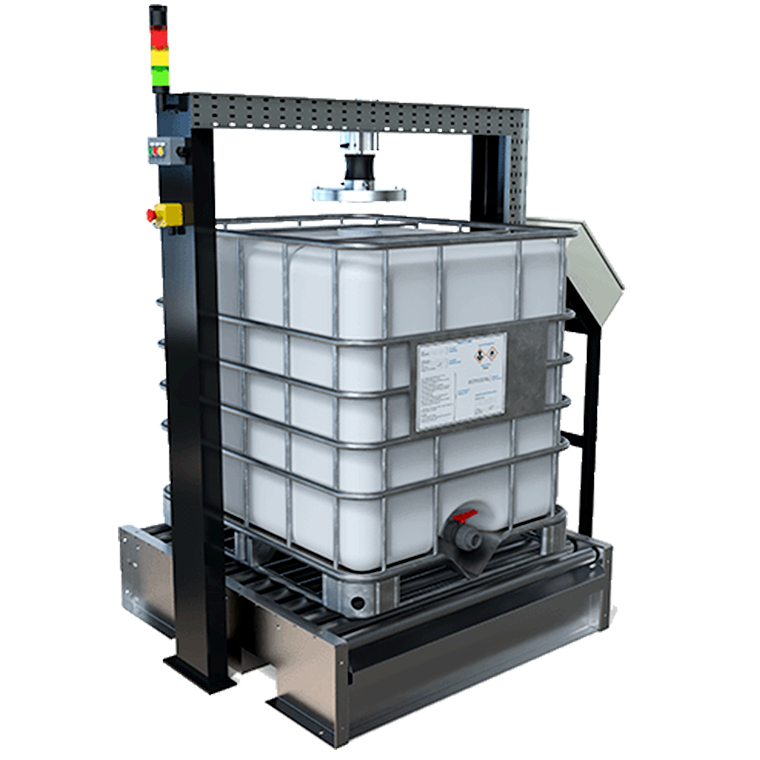
To obtain registration with Transport Canada, new IBC designs must demonstrate compliance with the design and test requirements specified by CAN/CGSB 43.146. PAMI regularly helps Intermediate Bulk Container manufacturers meet these test requirements by providing accurate and professional bulk container testing services for rigid bulk containers such as steel or aluminum tanks and rigid plastic or composite totes.

Seat and Seat Belt Anchorage Testing

Meet requirements in accordance with Federal Motor Vehicle Safety Standards – FMVSS 207-210. Proper seat and seat belt anchorage testing is important for adhering to several Canadian Motor Vehicle Safety Standards (CMVSS) and Federal Motor Vehicle Safety Standards (FMVSS). In addition, identifying possible failure points and recommending design improvements can help manufacturers reduce risk. We have static load fixtures and equipment ready to test your vehicle.

Tilt and Rollover Stability Testing

Access tilt tables up to 20’ x 20’ in size, with capacities up to 80,000 lb. Our tilt tables are commonly used for measuring vehicle and machine roll stabilities, grade holding capabilities for park brakes, and machine functionality tests at steep grades. Tilt & Rollover Stability Testing confirms that the centre of gravity of a completed vehicle or machinery is within the manufacturer’s limits for compliance with Transport Canada and other regulations.

Vibration & Durability Testing

Find six degrees of freedom motion to produce a number of tests including sinusoidal, random, and field simulation tests. Our multi-axial simulation table (MAST) system, vertical vibration table, horizontal vibration table, and electrodynamic shaker table are ideally suited for testing ground based vehicle or machine components to evaluate how they will respond to vibration anticipated during operation, or transit, and to verify how the product is expected to survive through its entire service life. In most cases, vibration testing is done by following test procedures defined by technical standards or through a customized client-specific test procedure.

“We needed some developmental testing completed, and did not have the capacity to execute it. A detailed plan was quickly formulated and executed, utilizing PAMI’s agricultural engineering and testing expertise within the timelines required. The excellent work performed by PAMI supported the thesis that we had created and moved our product lines forward. Testing went so well that we accelerated our test plans and went back to PAMI to move our research and development forward. Research and Development at Honey Bee is moving faster than ever before, with PAMI being a major reason.”

Jamie Pegg
Honey Bee Manufacturing LTD.

Contact US

Interested in getting a quote for your next project?
Our team is ready to help. Let us know what we can do for you today.